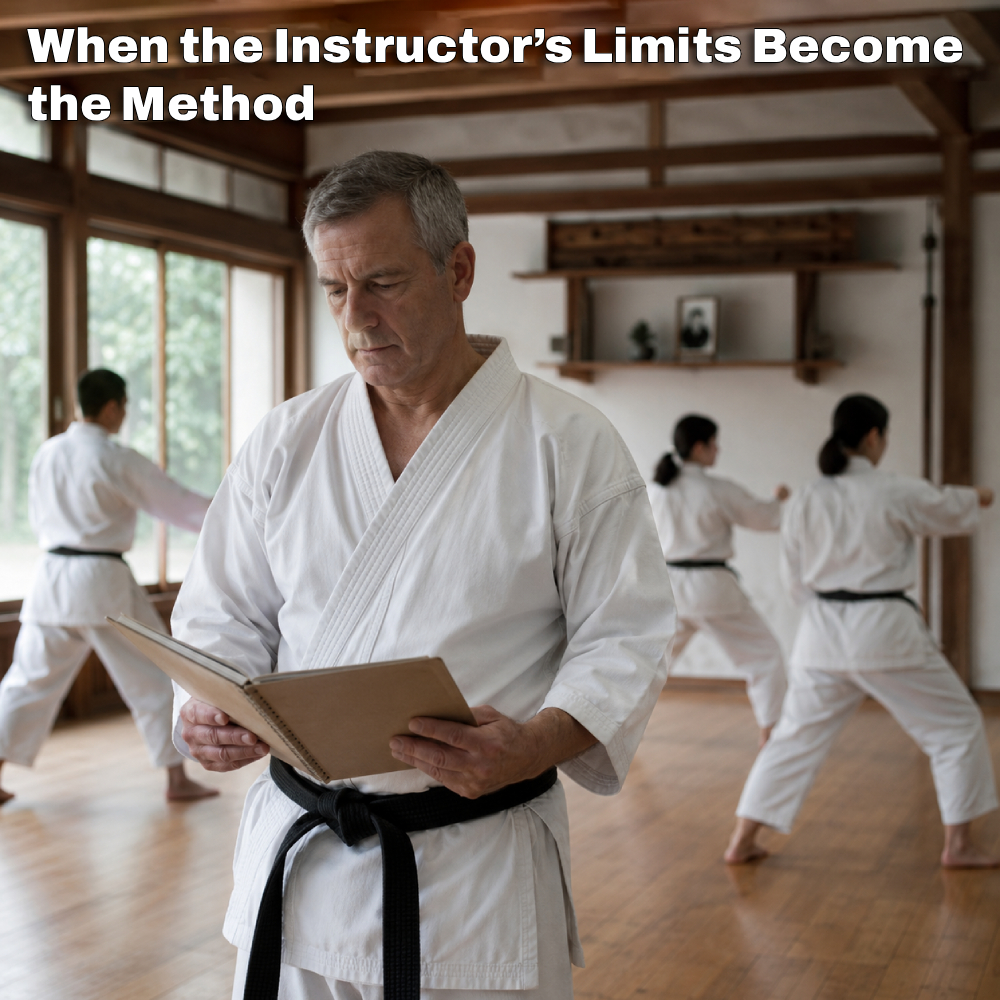
When the Instructor’s Limits Become the Method
When self-defense is shaped by the instructor’s limits, the student may inherit the boundary of someone else’s knowledge. Every instructor […]
When self-defense is shaped by the instructor’s limits, the student may inherit the boundary of someone else’s knowledge. Every instructor […]
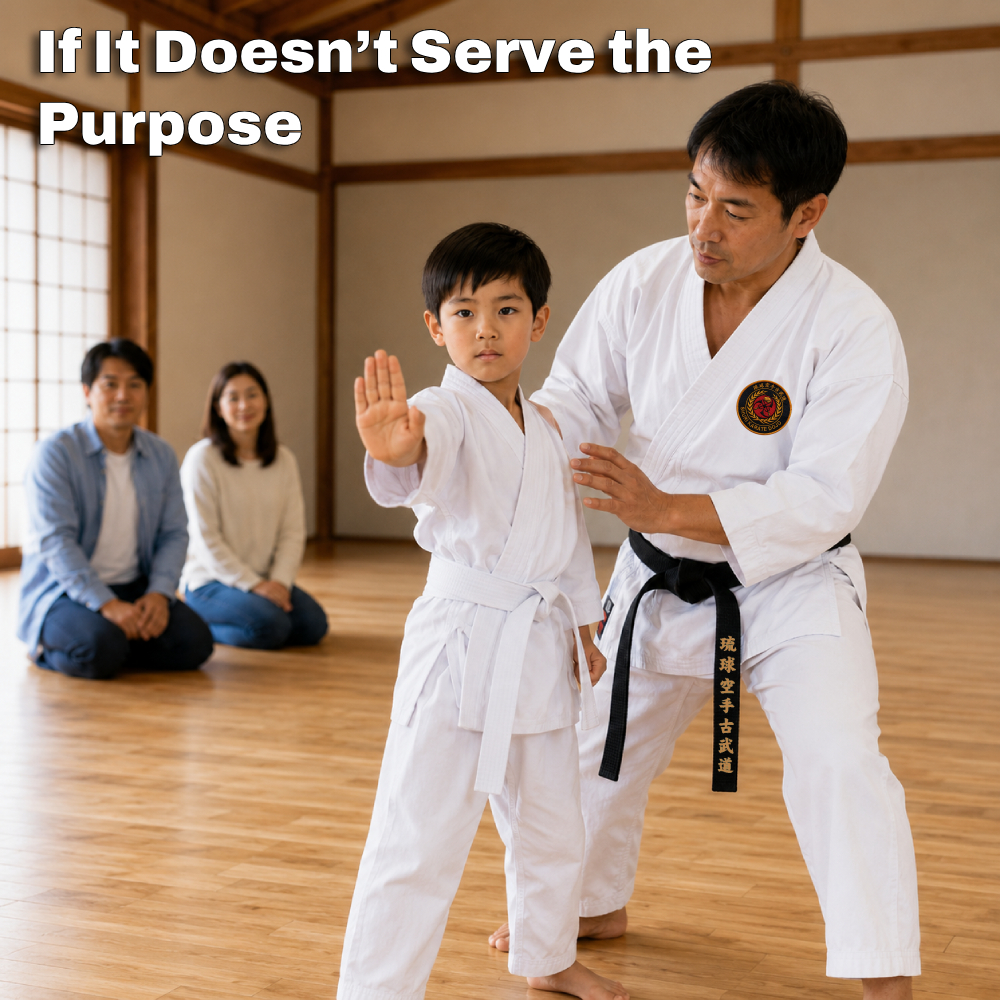
When karate is taught as self-protection, every part of the training should serve that purpose. Kata, kihon, and two-person drills

A broken arm may be better than a fractured skull, but that does not make it a sound method to

When structure is mistaken for application. I have seen this kind of demonstration many times in karate. A student extends

Why Naihanchi remains one of karate’s most important studies for close-range practical application. I’m sure many of you have a

When the Label Says Self-Defense Social media algorithms are a strange phenomenon. Lately, mine seem to be filled with video

What the phrase “empty hand” can make us forget about real violence, and the assumptions we bring into the dojo.