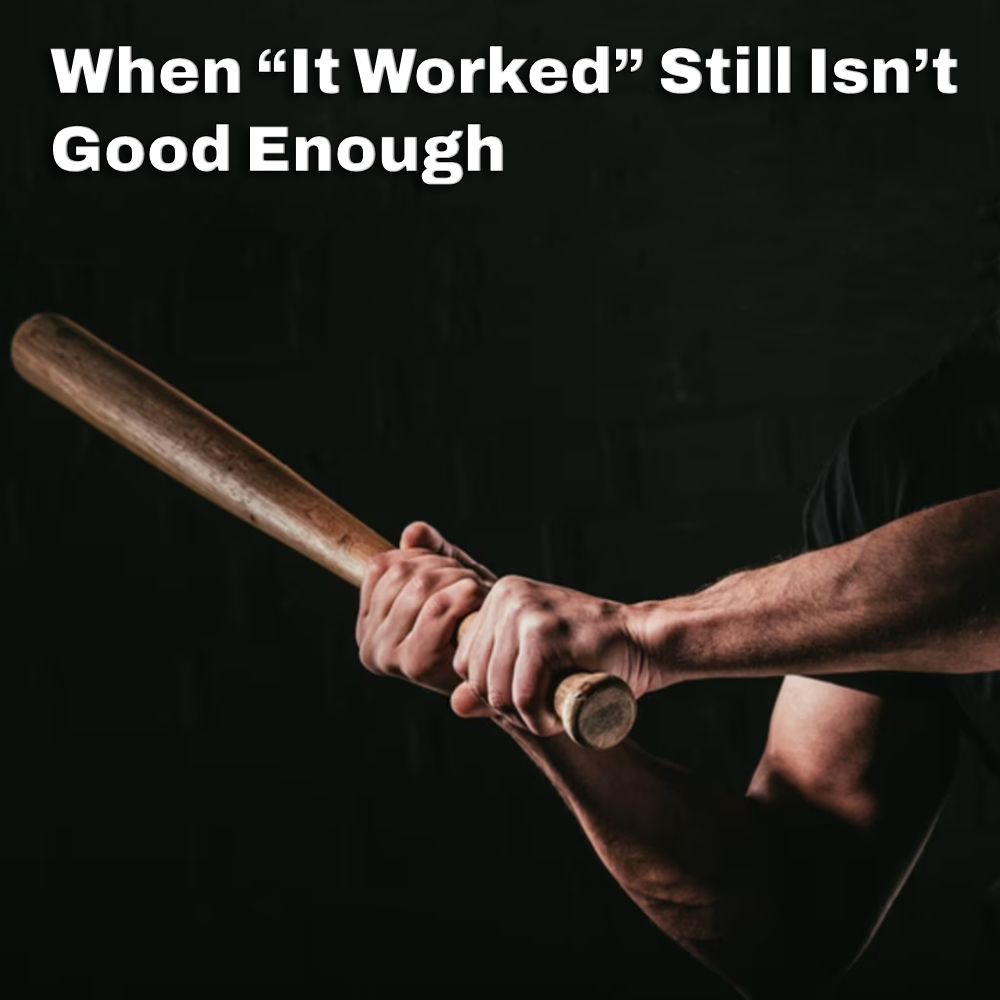
When “It Worked” Still Isn’t Good Enough
A broken arm may be better than a fractured skull, but that does not make it a sound method to
A broken arm may be better than a fractured skull, but that does not make it a sound method to

When structure is mistaken for application. I have seen this kind of demonstration many times in karate. A student extends

What the phrase “empty hand” can make us forget about real violence, and the assumptions we bring into the dojo.
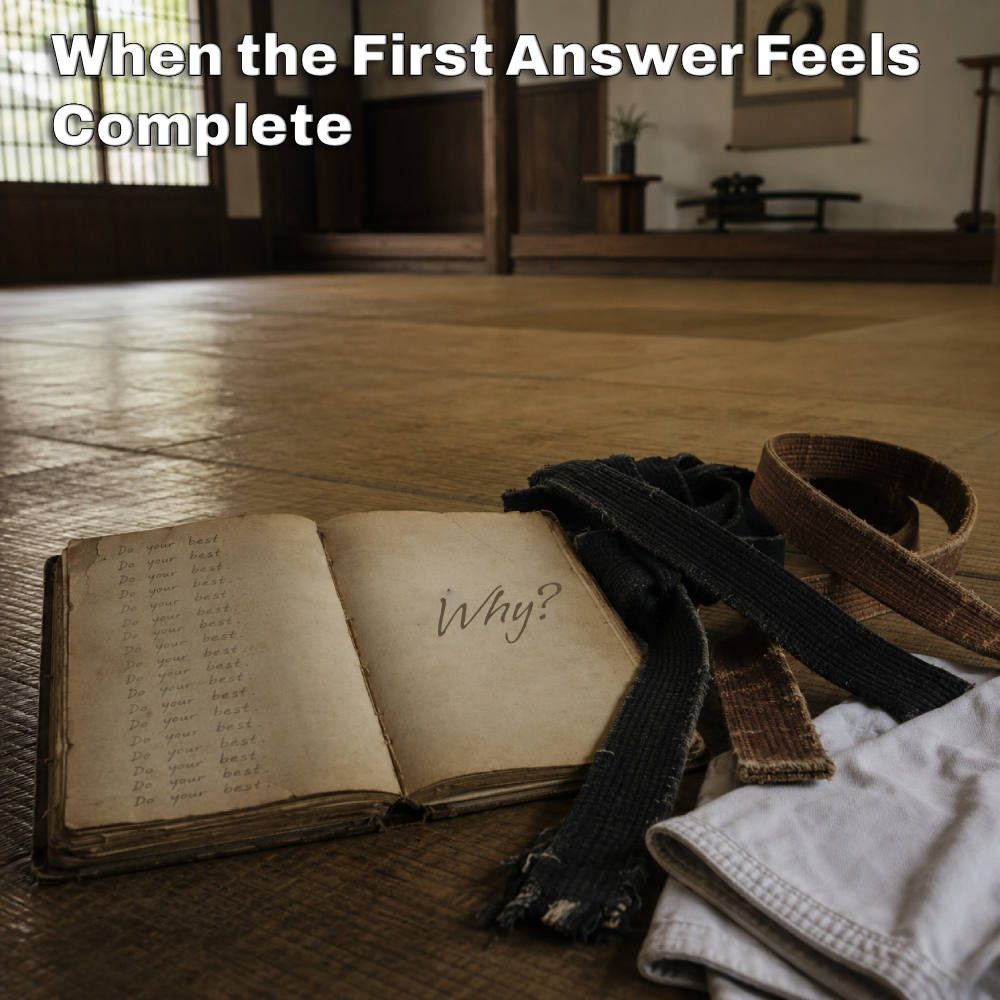
When repetition, rank, and tradition make an explanation feel complete before it has ever been tested. In karate, some explanations
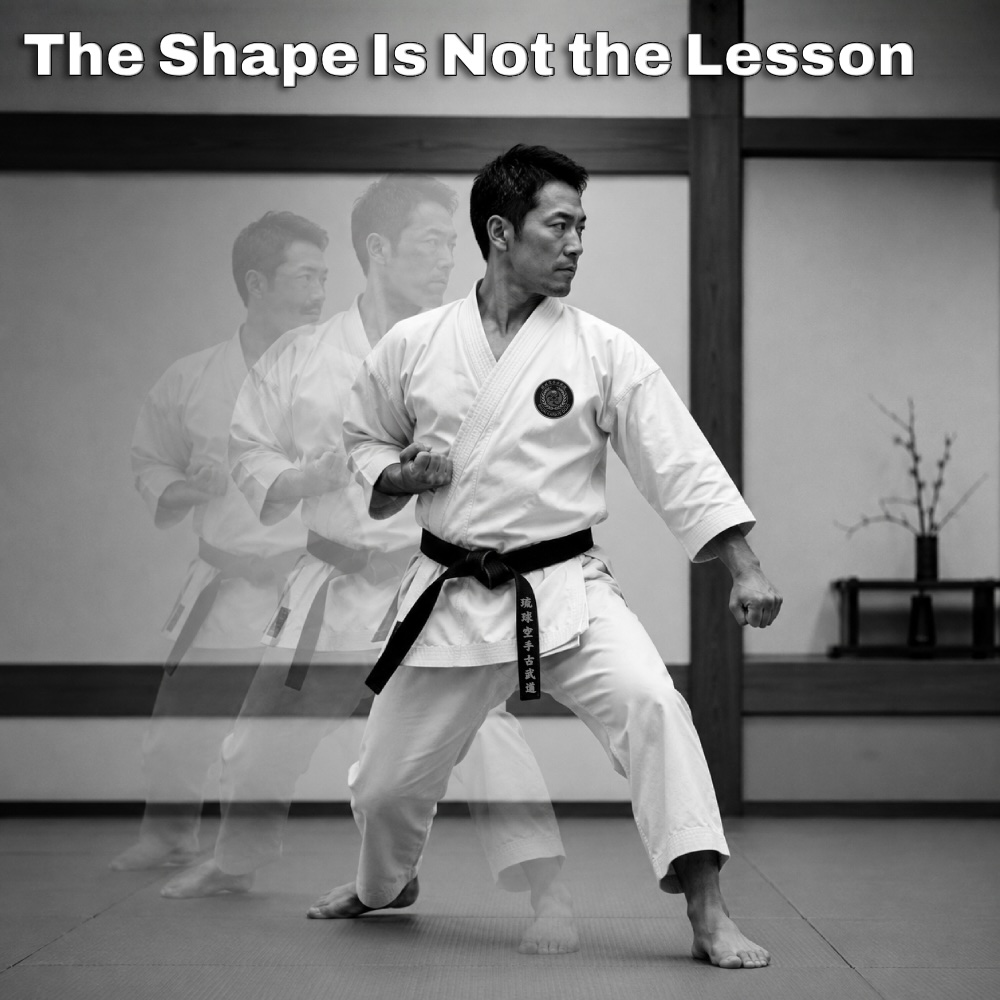
A stance should serve the body and the movement, not an arbitrary measurement. Everyone starts the same way in karate.
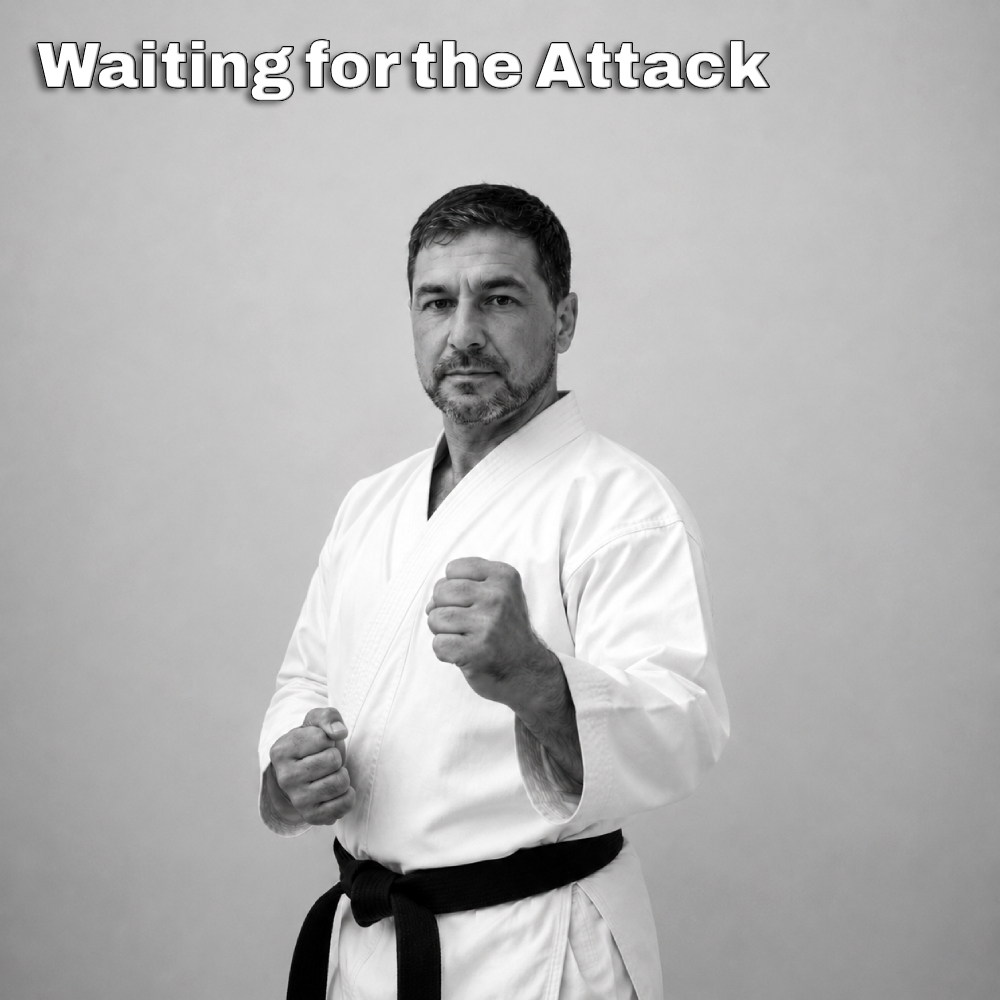
Why practical karate should not train us to stand still while trouble starts on us. Someone once told me that

Not all karate was preserved in the names history remembers. When we look back at Okinawan karate, we tend to
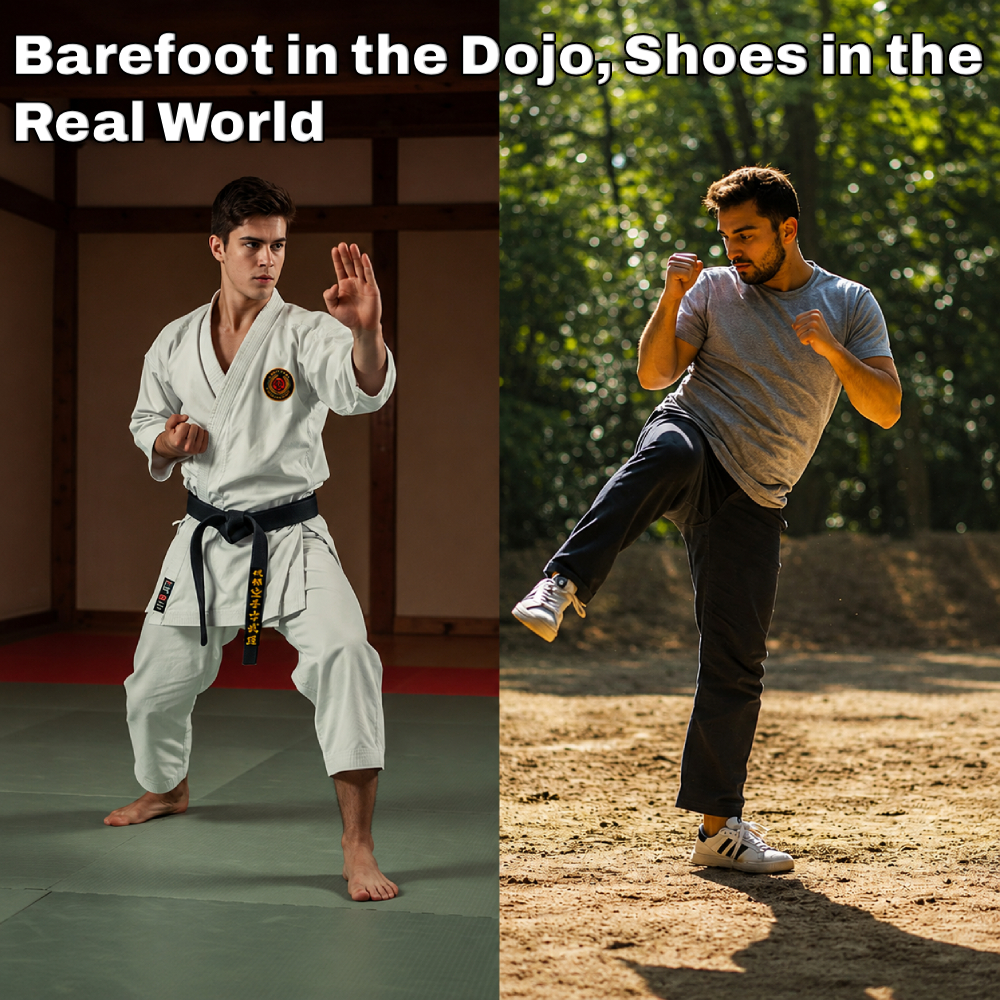
Why tradition still matters, but context decides how karate is understood and applied. Step into a traditional karate dojo and
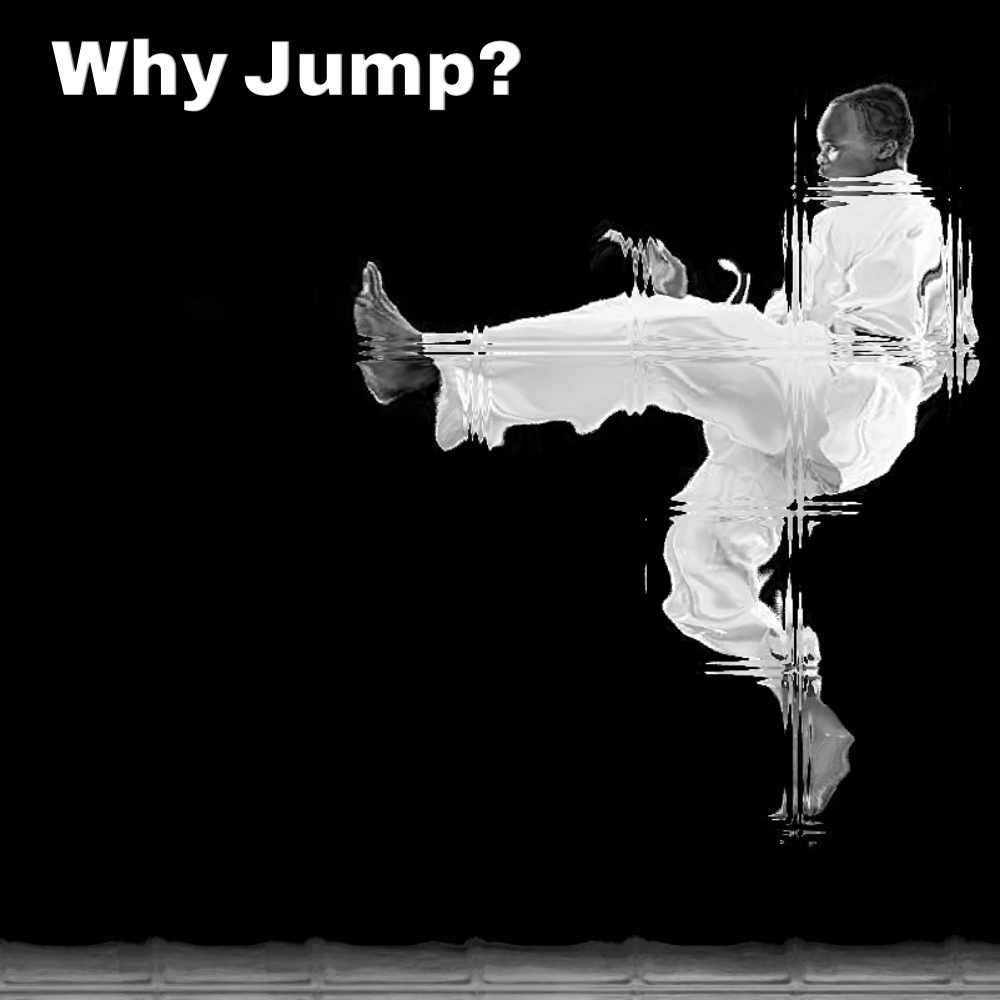
Questioning whether the jump in kata is the lesson, or simply the shape we inherited. There are several kata where

Why experience should make us more willing to look again, not less. Many people assume that experience makes your views