
Why encouragement, example and trust can matter long after the lesson is over
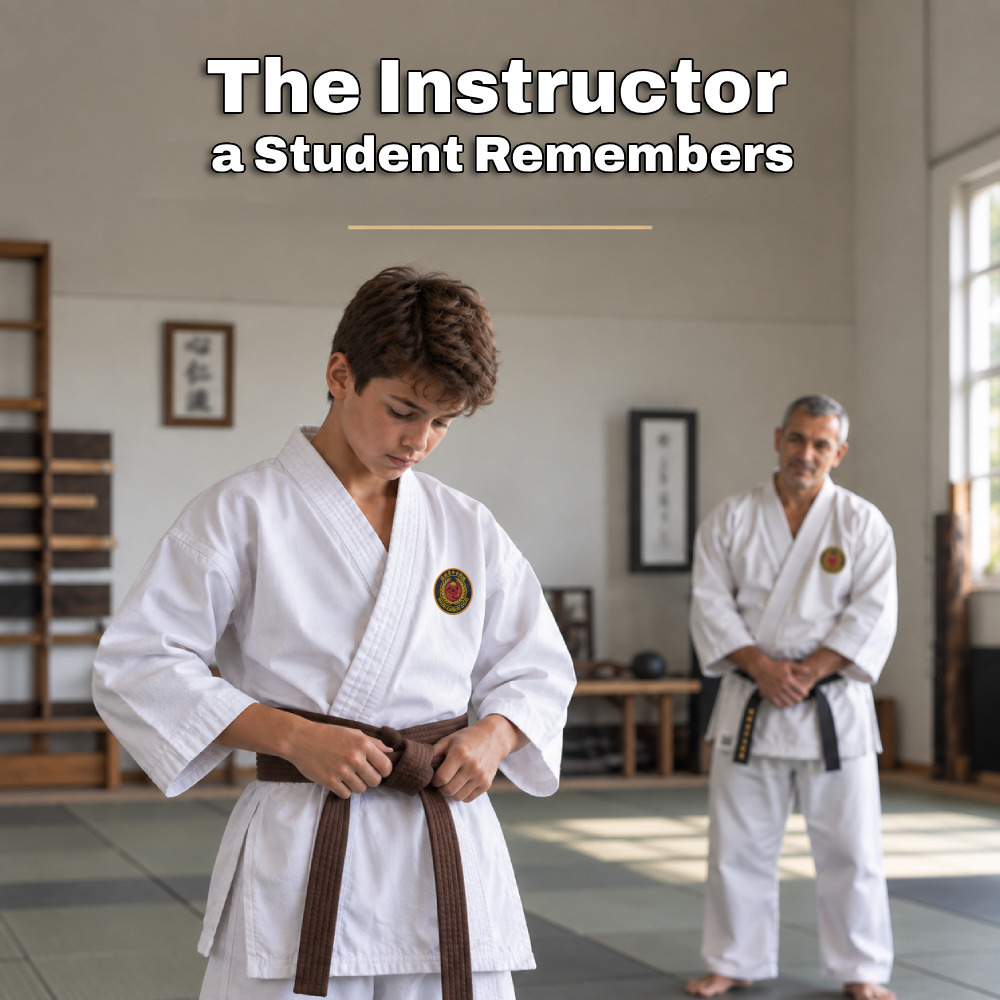
As instructors and teachers, one of the most important and rewarding parts of what we do is recognizing the potential within our students, helping them see it within themselves, and then supporting them as they try to reach it.
Looking toward the future with positive expectations can have a powerful effect on the present. What students believe they might become can influence the decisions they make now, the effort they are willing to put in, and whether they keep going when things become difficult.
In other words, believing that something is possible is often an important part of developing the will to pursue it.
“I’ve always believed that if we can get students to hope – if we can get students to at least believe in a powerful tomorrow and have the expectation that they can accomplish a great goal – that has a powerful impact on how they behave today.”
– Dr. Dante Dixson
Every student deserves the opportunity to explore his or her potential.
The relationship between instructor and student sits at the heart of teaching. Sometimes that relationship is built through encouragement, sometimes through patience, sometimes through expecting a little more from someone than they currently expect from themselves.
There will also be students who arrive with very little confidence in their own ability. Helping them to believe that improvement is possible, especially when they may have heard otherwise elsewhere, can be one of the most valuable things an instructor does.
Years ago, when I was teaching at my dojo in the UK, I had a young student who was extremely enthusiastic. He took to everything like a duck to water and clearly loved being there.
When I had to move the dojo, he was very upset. We talked for a while, and at one point he said to me:
“All I wanted was to be like you.”
I was completely floored by that.
I certainly didn’t see myself as someone anyone should want to be like, and I still don’t. What stayed with me was the realization that, without really knowing it, I had become important to him in some way.
It also reminded me of something instructors sometimes forget. Whether we intend to be role models or not, young people may see us that way. The position carries a responsibility that goes far beyond what we teach on the dojo floor. How we behave, how we treat people, the standards we set and the example we provide can matter just as much as anything we teach technically.
That does not mean an instructor has to be perfect. None of us are. But if young people place their trust in us, we have a responsibility to conduct ourselves in a way that deserves that trust.
Teachers and instructors do not always know the effect they are having.
A few words of encouragement, showing confidence in someone, giving them another chance, or simply taking their efforts seriously may seem like very small things at the time.
But to the student, they may not be small at all.
If I am remembered by former students, I would much rather it be because I helped one of them see something in themselves that they had not seen before, or because I helped remove an obstacle from their learning, than because they wanted to become like me.
Sometimes a student simply needs one person to believe that more is possible for them.
And the instructor may never know how much that mattered.
Help Keep Applied Methods Free
Applied Methods is independently written and freely available. If you enjoy the articles and would like to support the continued writing and upkeep of the site, contributions are always appreciated, but never expected.
Sensei Carter:
Thank you for this post. It brings back wonderful memories.
I have been fortunate to learn from many good teachers through the years. All of them left a positive impression on me, and though I am basically a student of these arts, I do also teach / coach. And I try to give bits of my teachers’ wisdom to those I teach.
In some ways then, those I teach are actually getting information from those who gave it to me, and from those who gave it to them.
They say “When you teach, you learn twice.” I think this is true.
I also feel I get much more from those I teach than they get from me, try as I might to even things out. But if there’s an imbalance in the equation, it makes me try harder. Whatever is given, is almost always returned in kind.