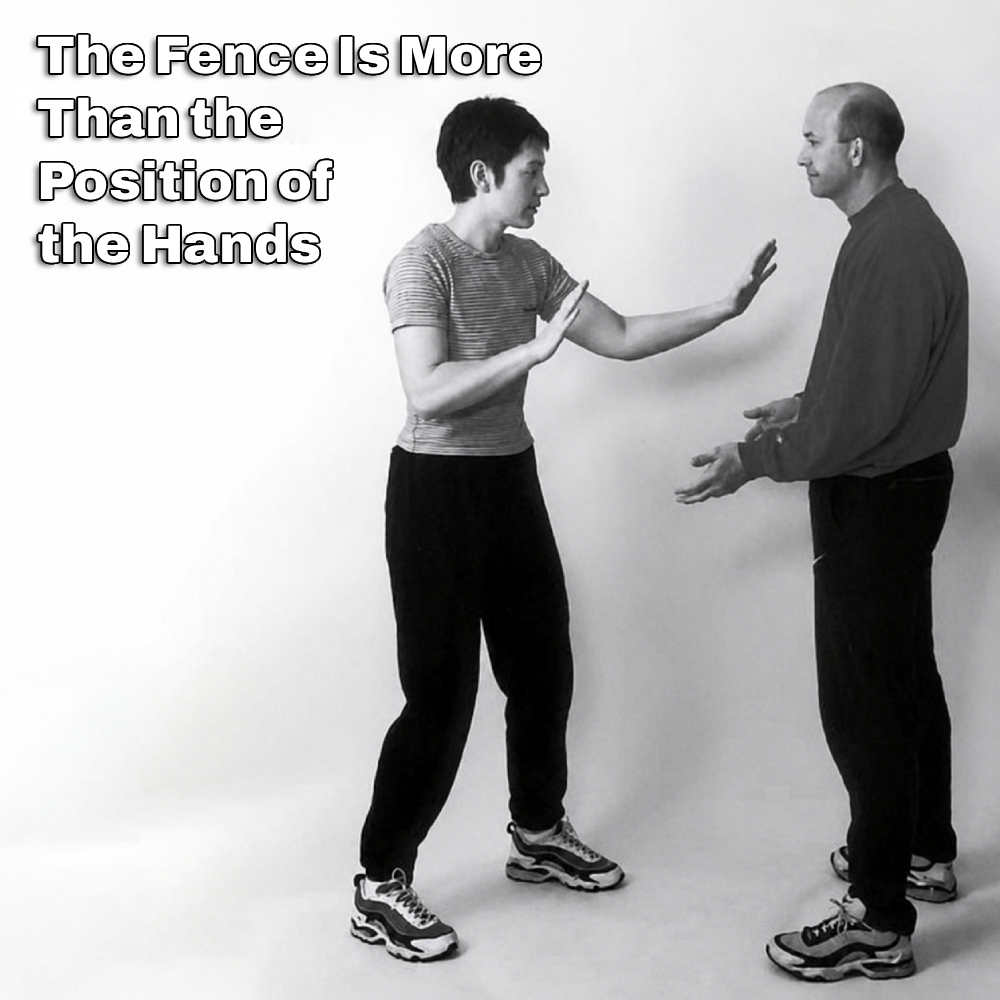
The Fence Is More Than the Position of the Hands
Why the fence is not simply another guard, but a way of managing distance, communication and intent before violence begins.
Why the fence is not simply another guard, but a way of managing distance, communication and intent before violence begins.
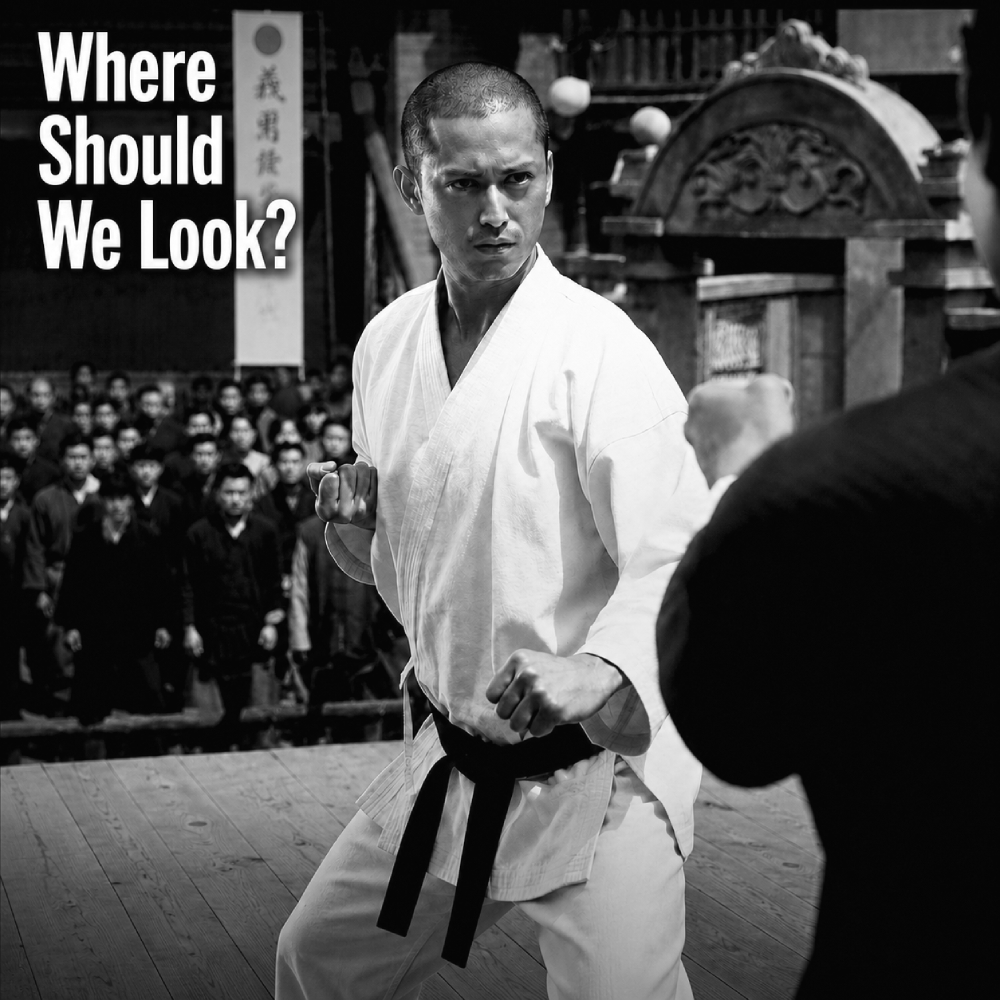
Why concentrating on one part of the body may cause us to miss what is happening elsewhere. People often ask
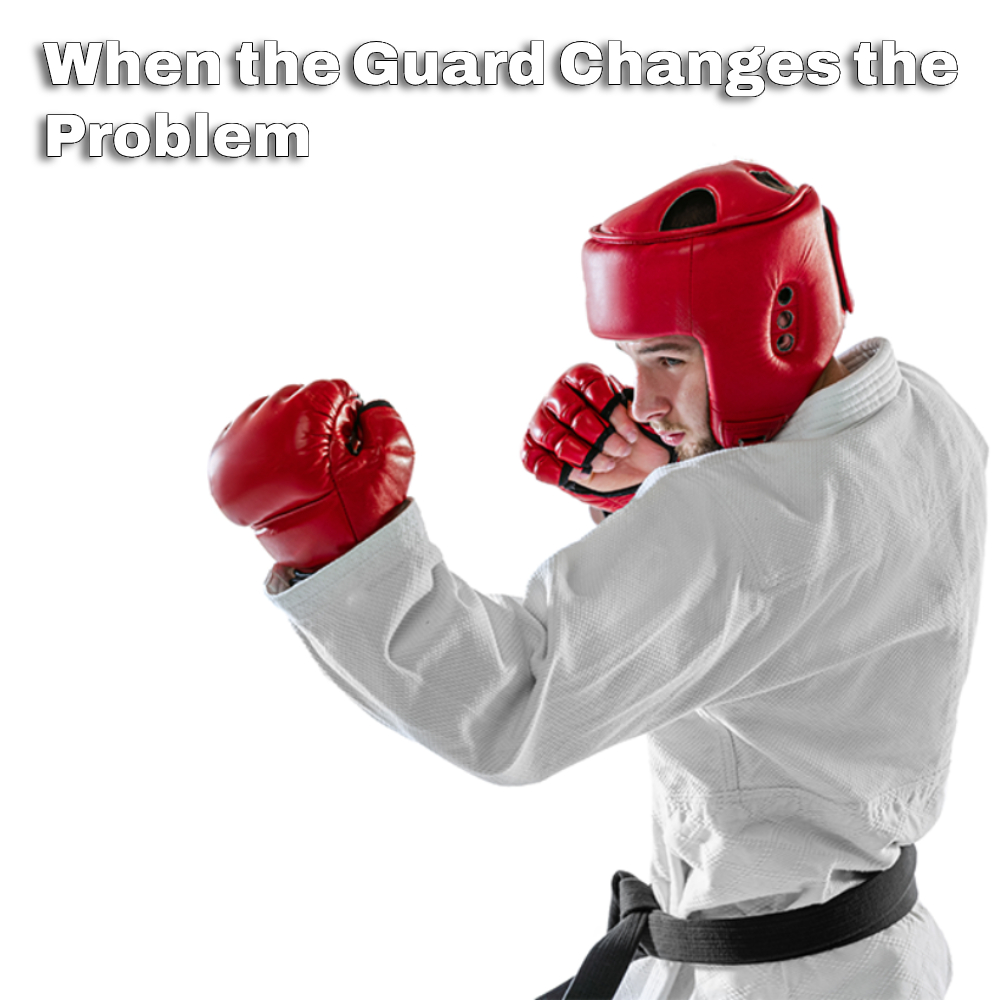
Why the habits that make sense in a fight may work against us in self-protection In boxing we were taught
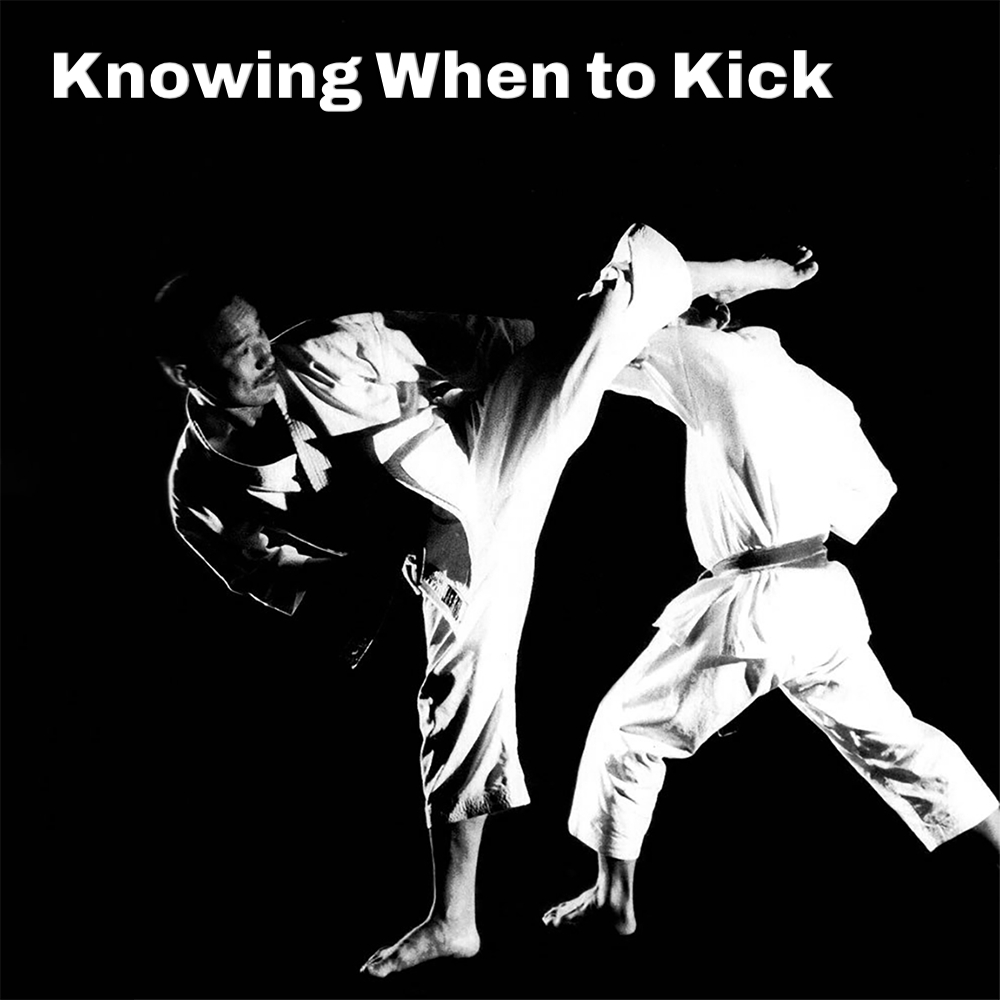
Kicks have value in self-protection, but their usefulness depends on context, timing, and the person using them. Kicks can be
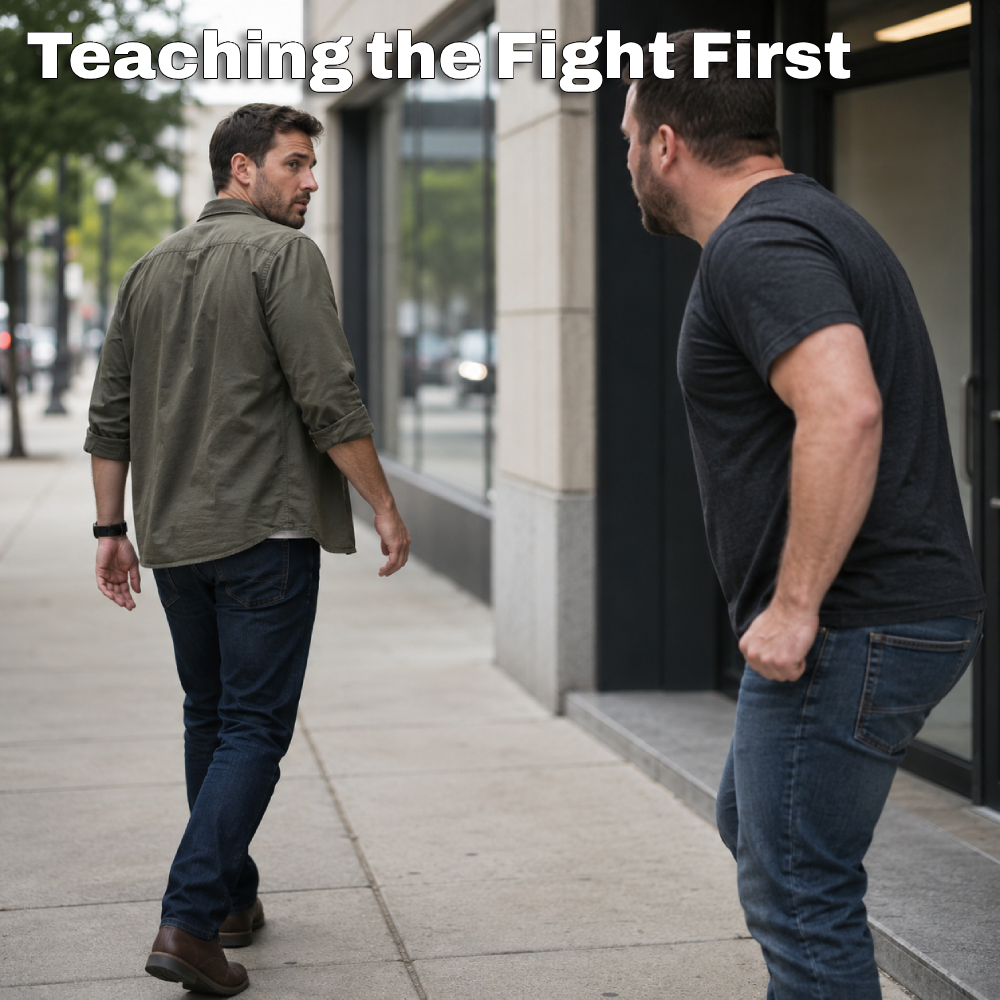
Many self-defense classes begin at the point where self-protection has already failed. Self-defense. Everyone teaches it, right? It’s written on
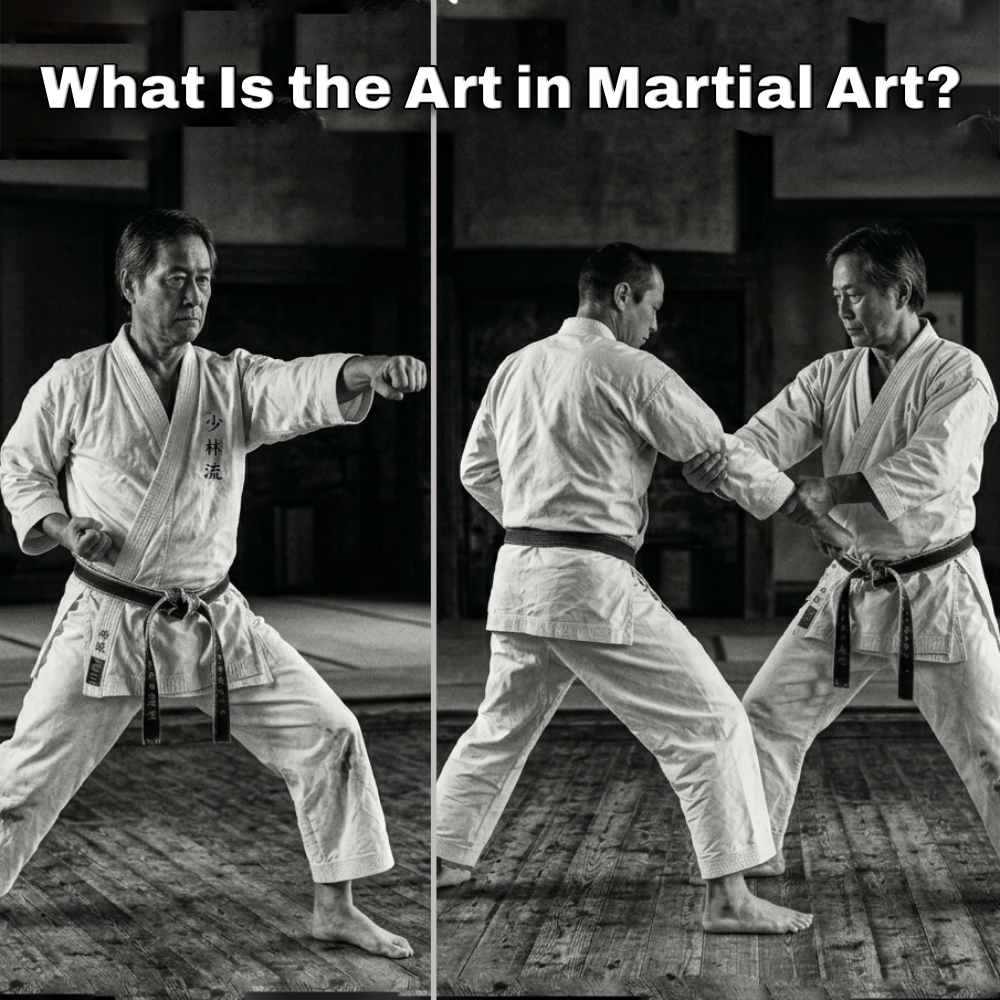
Why the word “art” does not mean beauty, performance, or freedom from function. Someone recently told me that karate could
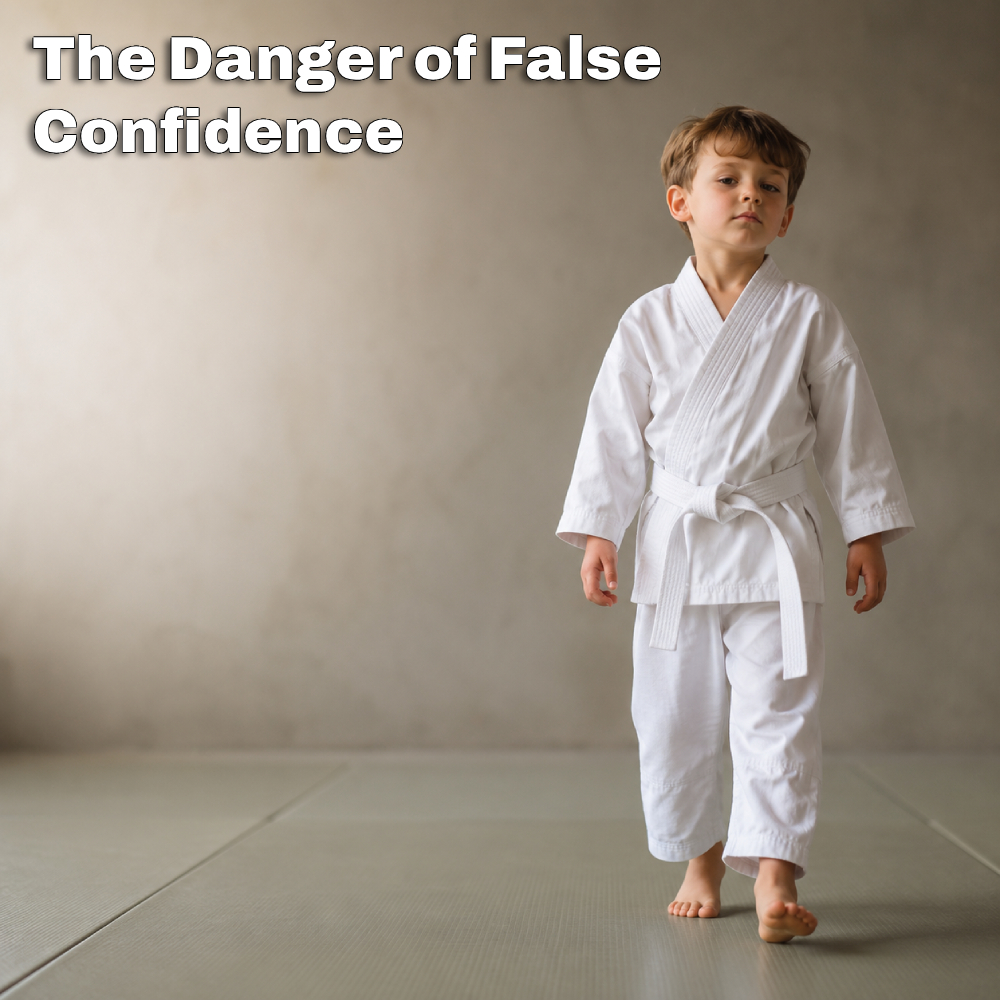
When children are taught weak self-defense methods, the danger is not just failure. It is the false confidence that comes
When self-defense is shaped by the instructor’s limits, the student may inherit the boundary of someone else’s knowledge. Every instructor
When karate is taught as self-protection, every part of the training should serve that purpose. Kata, kihon, and two-person drills
A broken arm may be better than a fractured skull, but that does not make it a sound method to