Articles
-
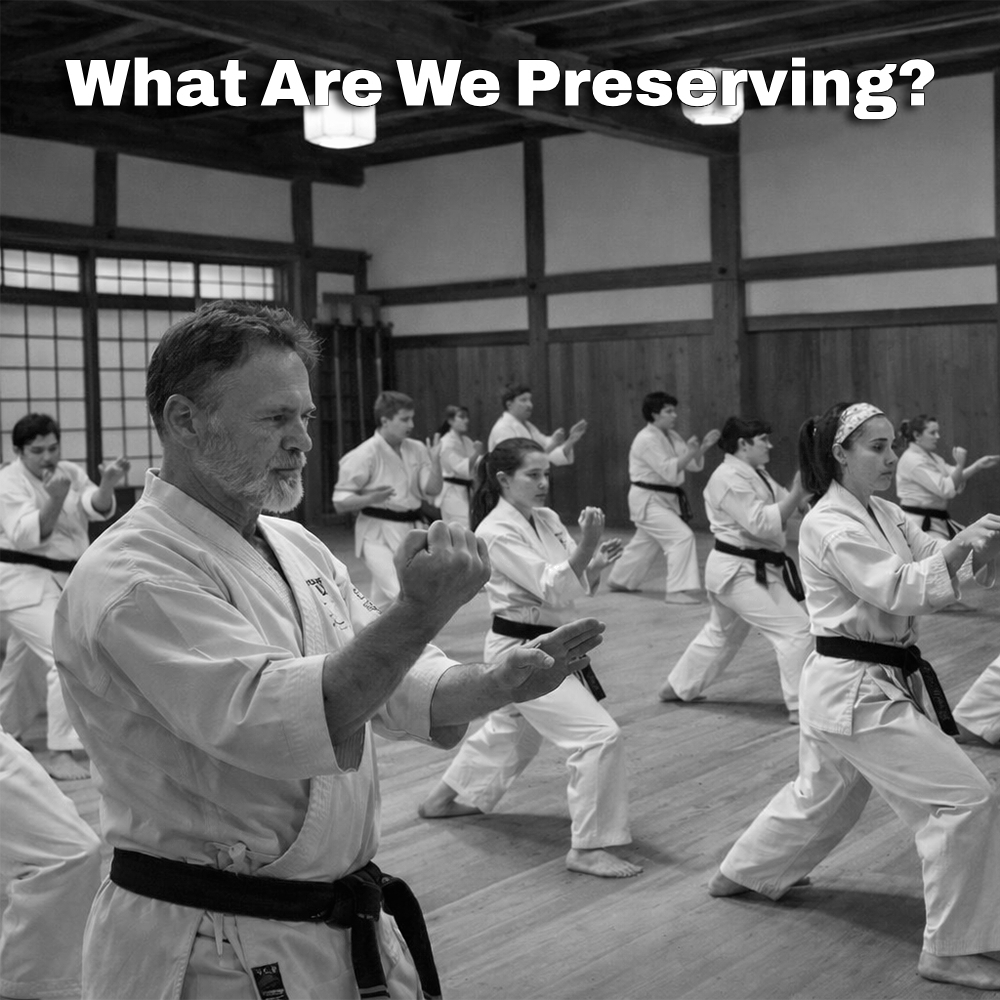
What Are We Preserving?
Tradition, memory, and the passing of karate from one generation to the next. I’ve been practicing traditional karate for a long time now, and my…
-
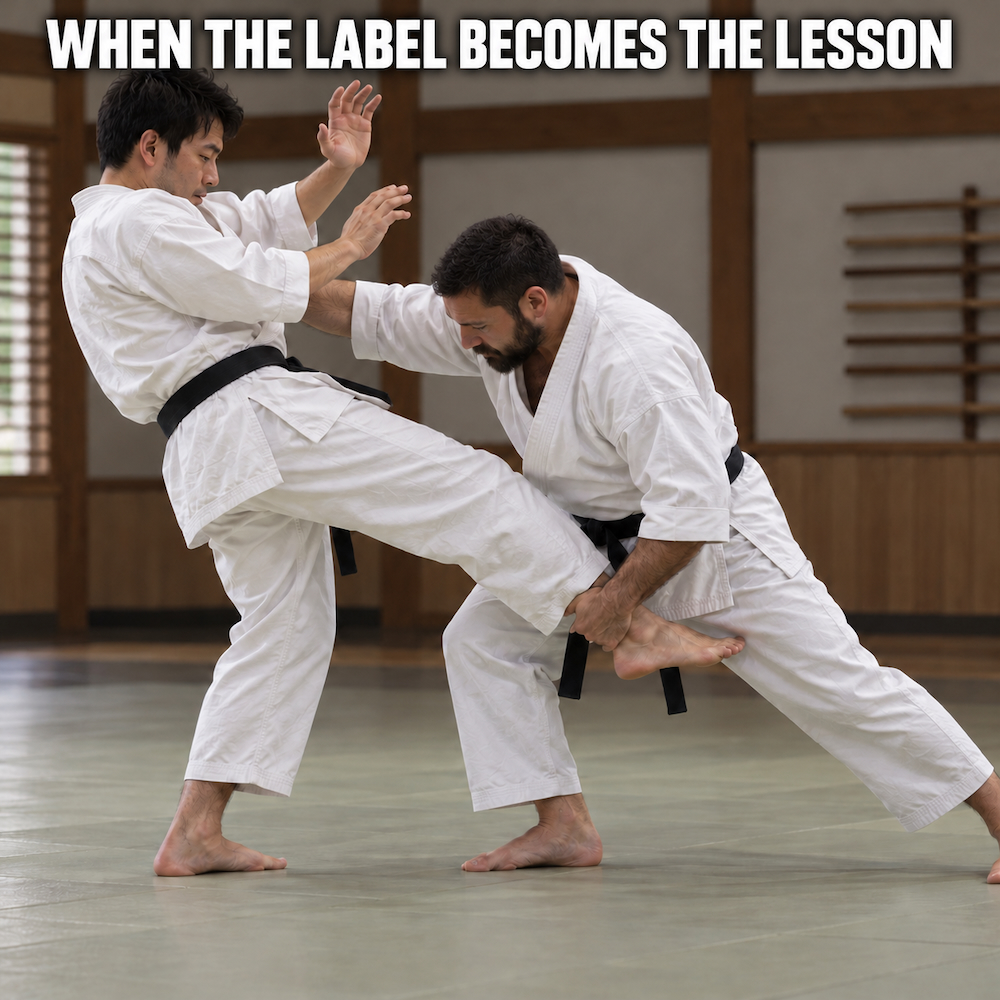
When the Label Becomes the Lesson
A throw, a stance, and what we think we’re seeing. When we first begin learning karate, almost everything we’re taught is given a name. We…
-
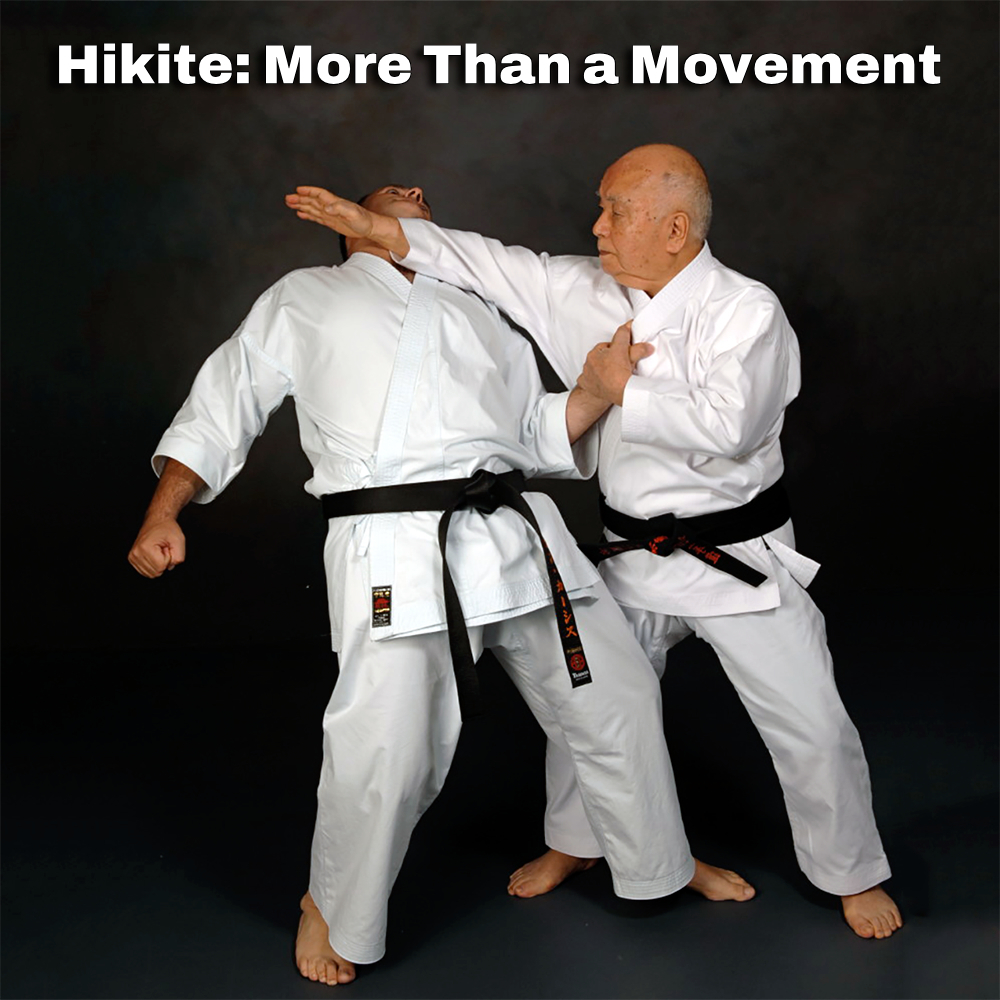
Hikite: More Than a Movement
Looking beyond the movement we practice. One of the most familiar movements in karate is the withdrawing hand. We see it in kihon, throughout kata,…
-
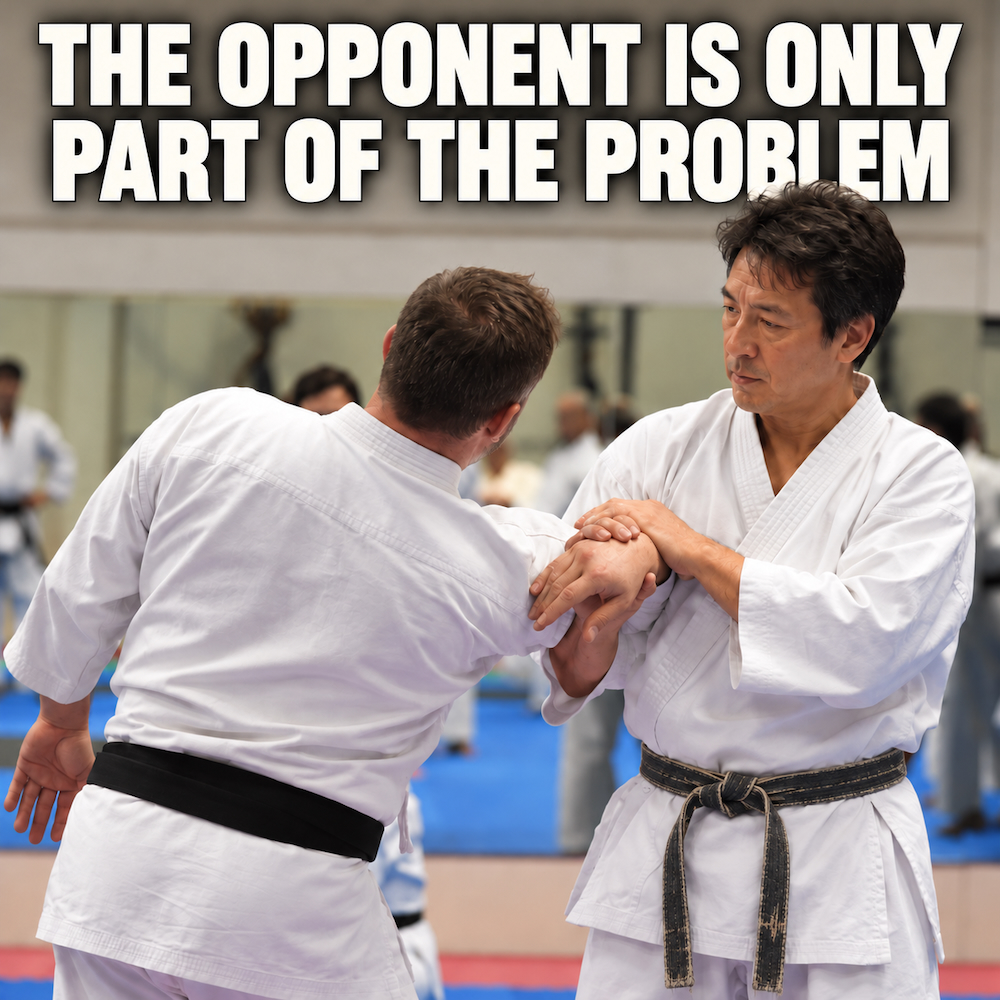
The Opponent Is Only Part of the Problem
Why being able to perform a movement isn’t the same as being able to use it. When we think about fighting, whether that’s competition, sparring…
-
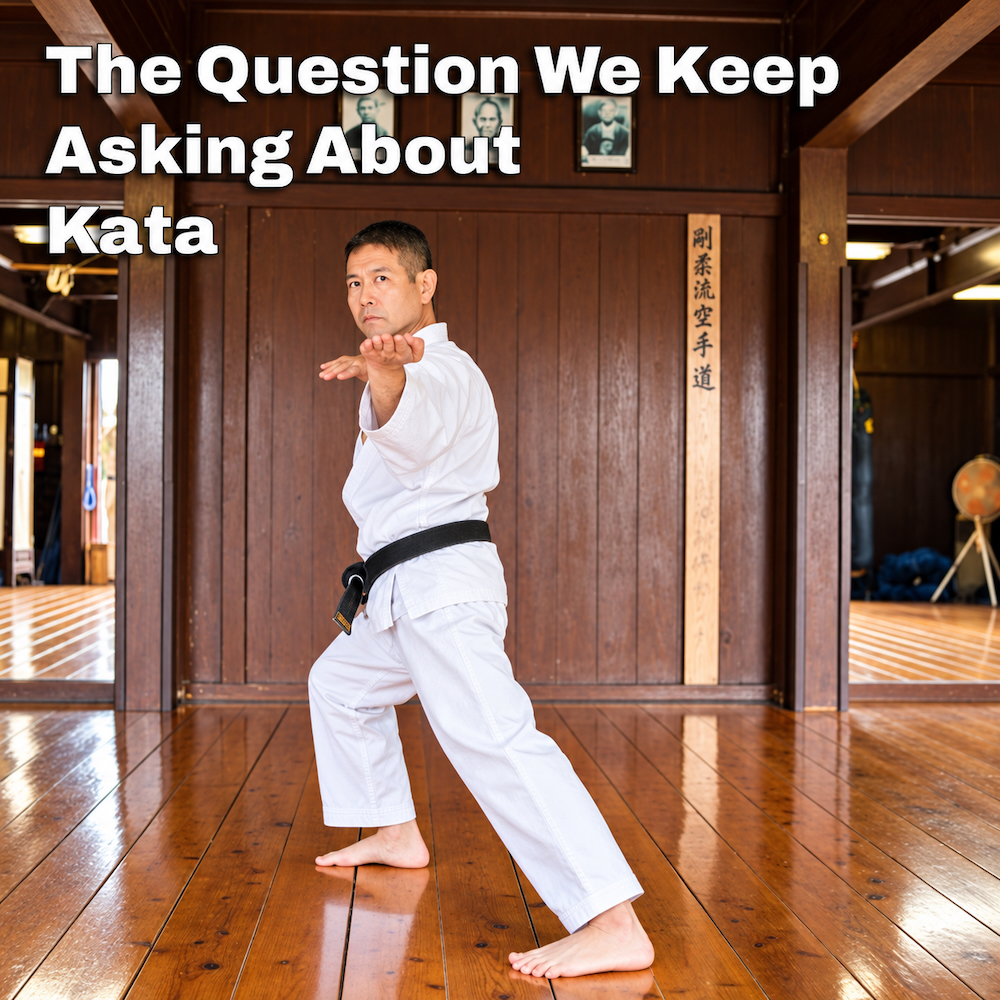
The Question We Keep Asking About Kata
Perhaps we’ve been looking for the answer in the wrong place. A few days ago, someone left a comment on one of my articles asking,…
-
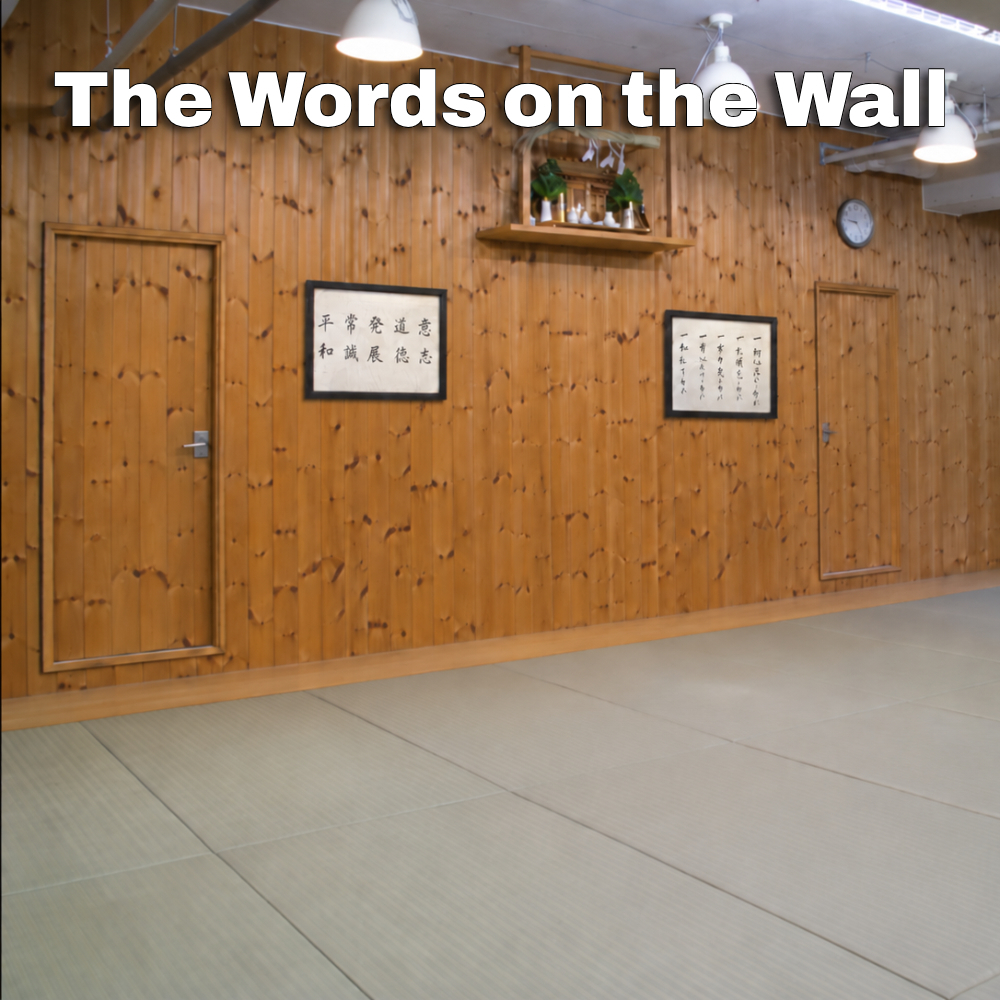
The Words on the Wall
What does a dojo creed mean if we don’t live by it? Most traditional karate dojos have some form of creed, often referred to as…
-
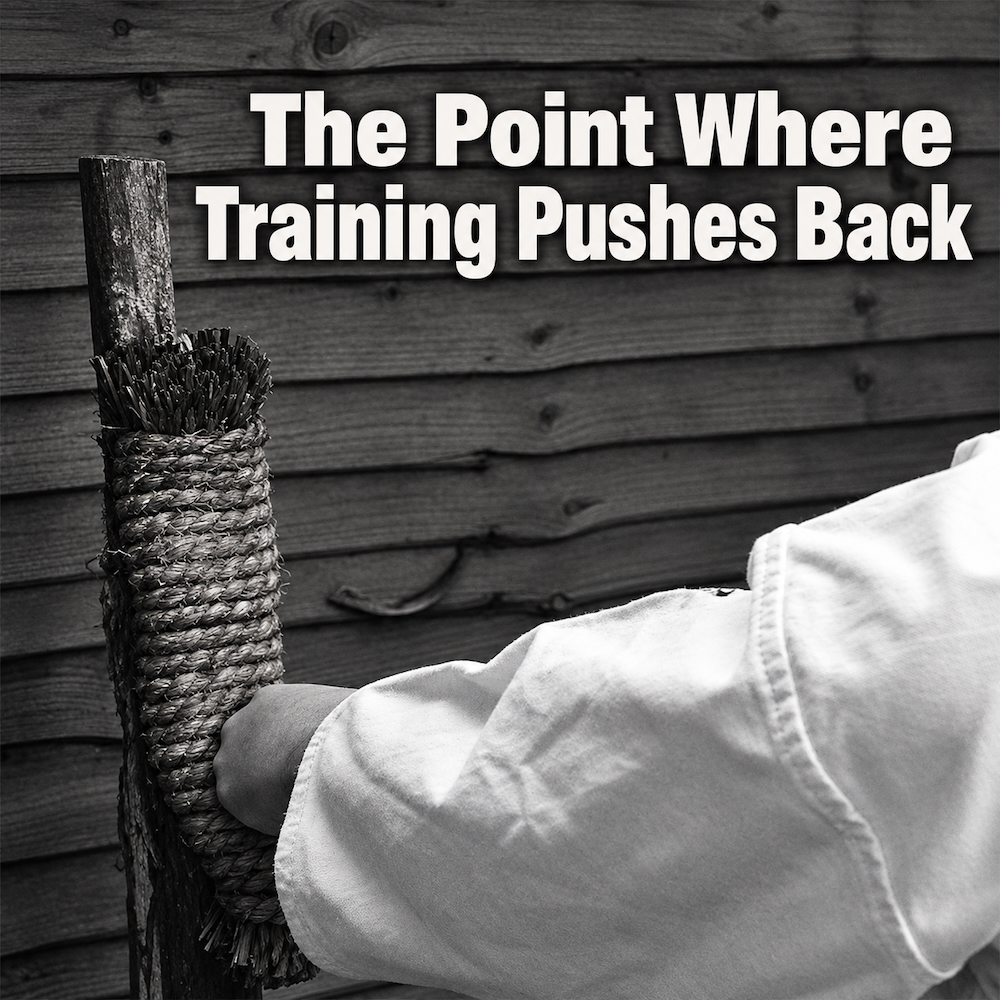
The Point Where Training Pushes Back
When training pushes back, what we believe gets tested. Years ago, when I still lived in the UK, I had a traditional straw makiwara fixed…
-
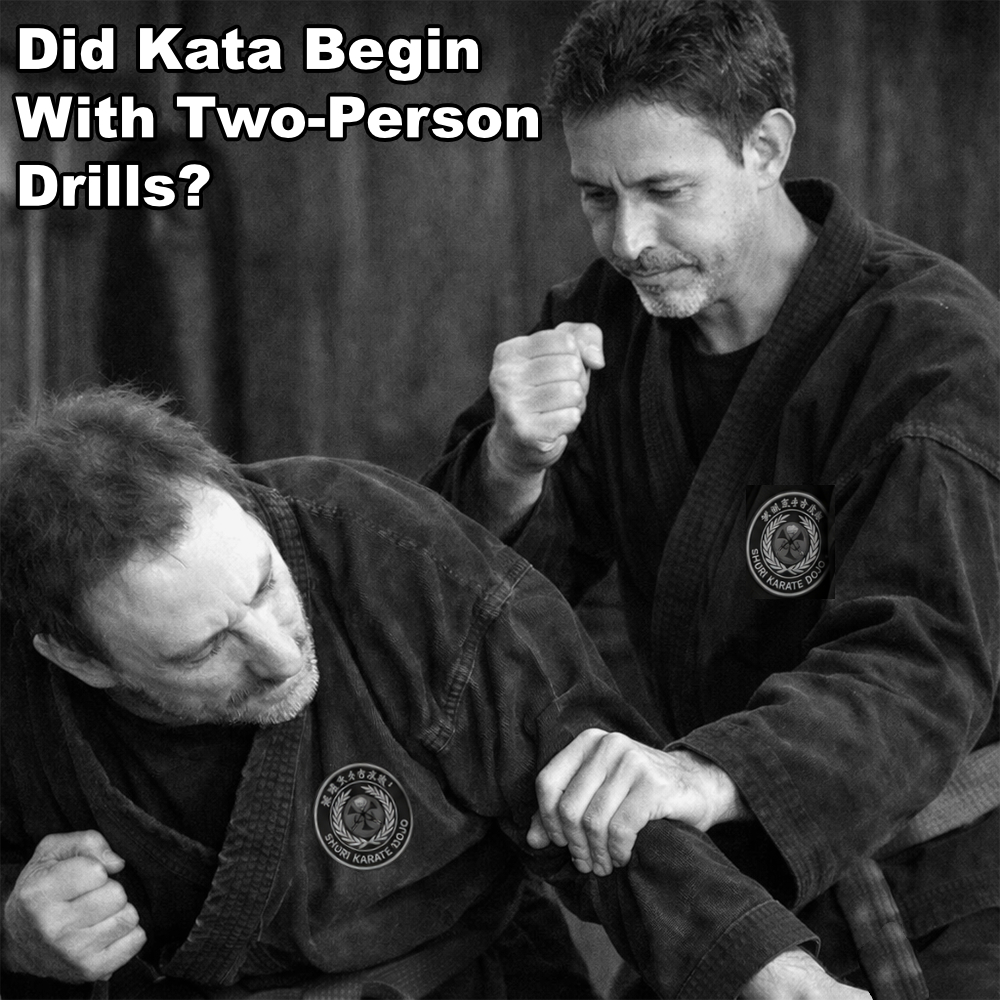
Did Kata Begin With Two-Person Drills?
What we know, what seems likely, and where the evidence runs out A question came up recently that I think is worth considering: How do…
-
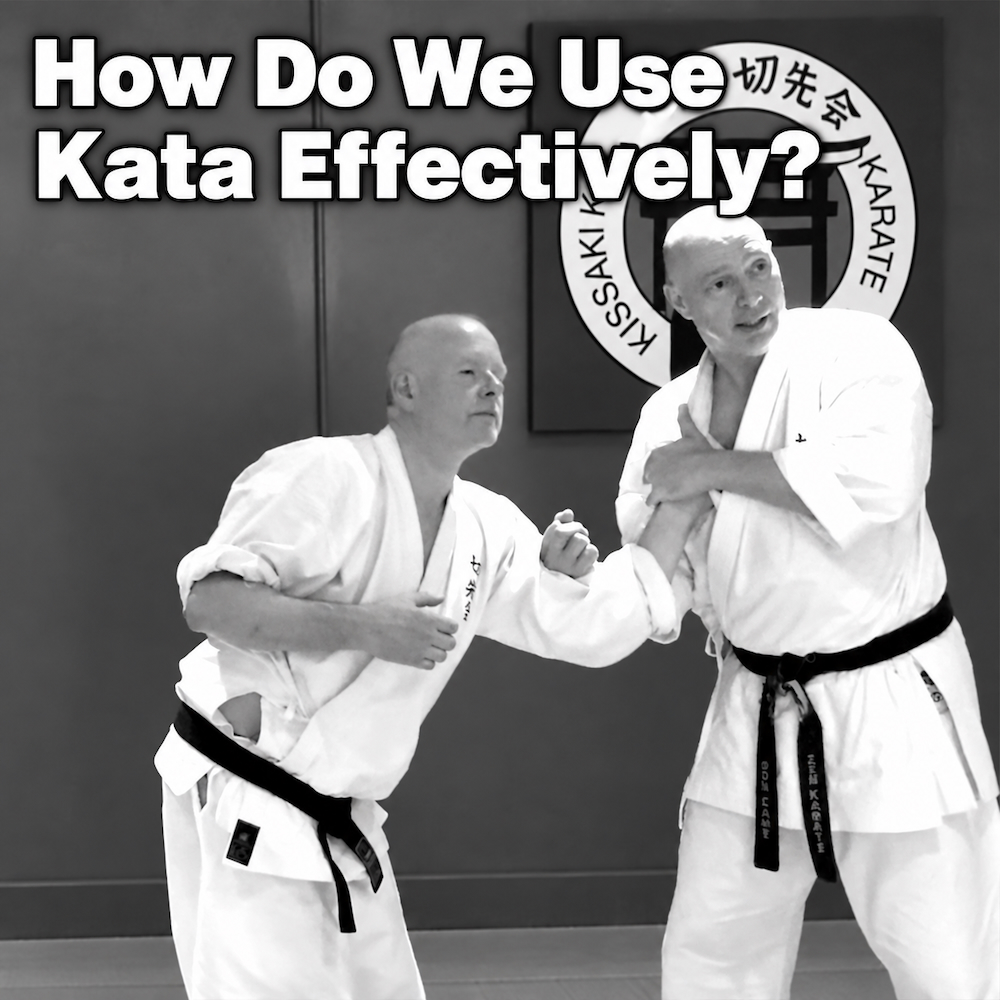
How Do We Use Kata Effectively?
If the original meaning is uncertain, what makes an application useful? When I talk about using kata effectively, I don’t mean the bunkai demonstrations sometimes…
-
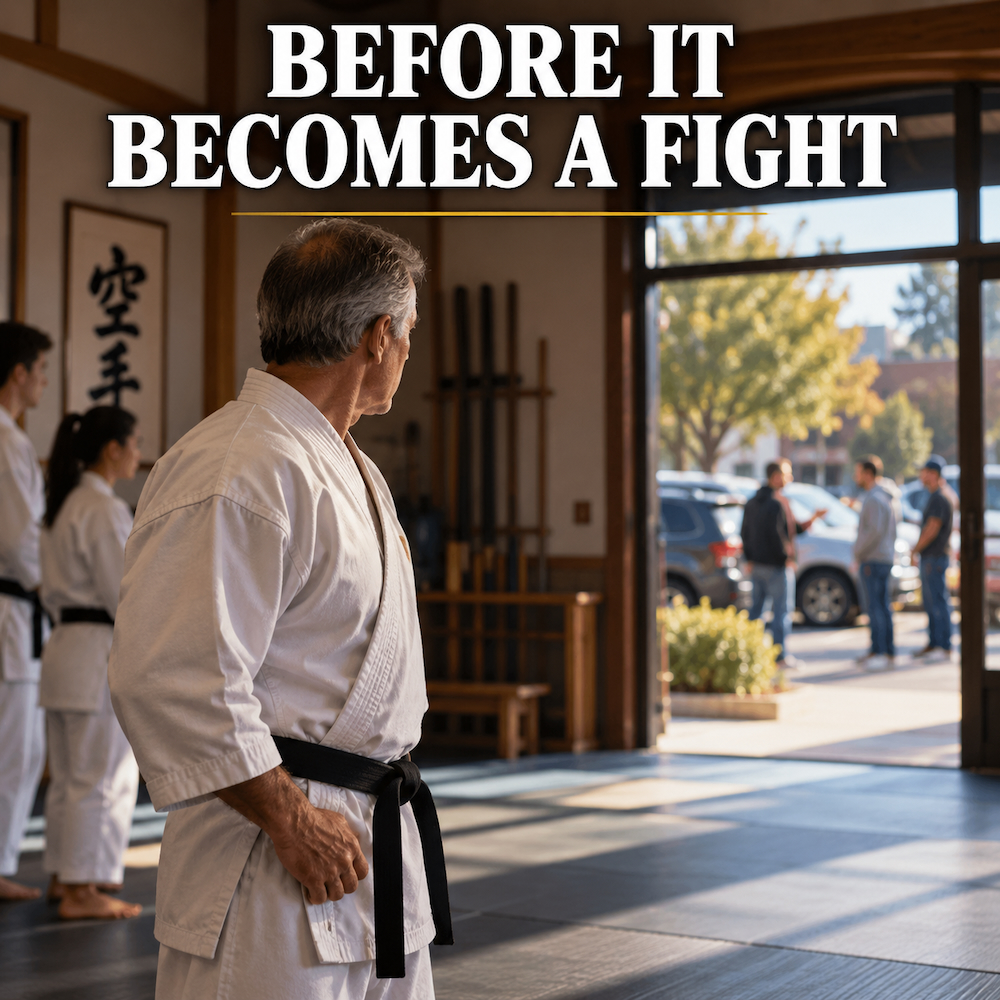
Before It Becomes a Fight
Why self-protection begins long before physical contact. There was another shooting near me recently. One person was killed and another injured at a shopping center…