When the Instructor’s Limits Become the Method
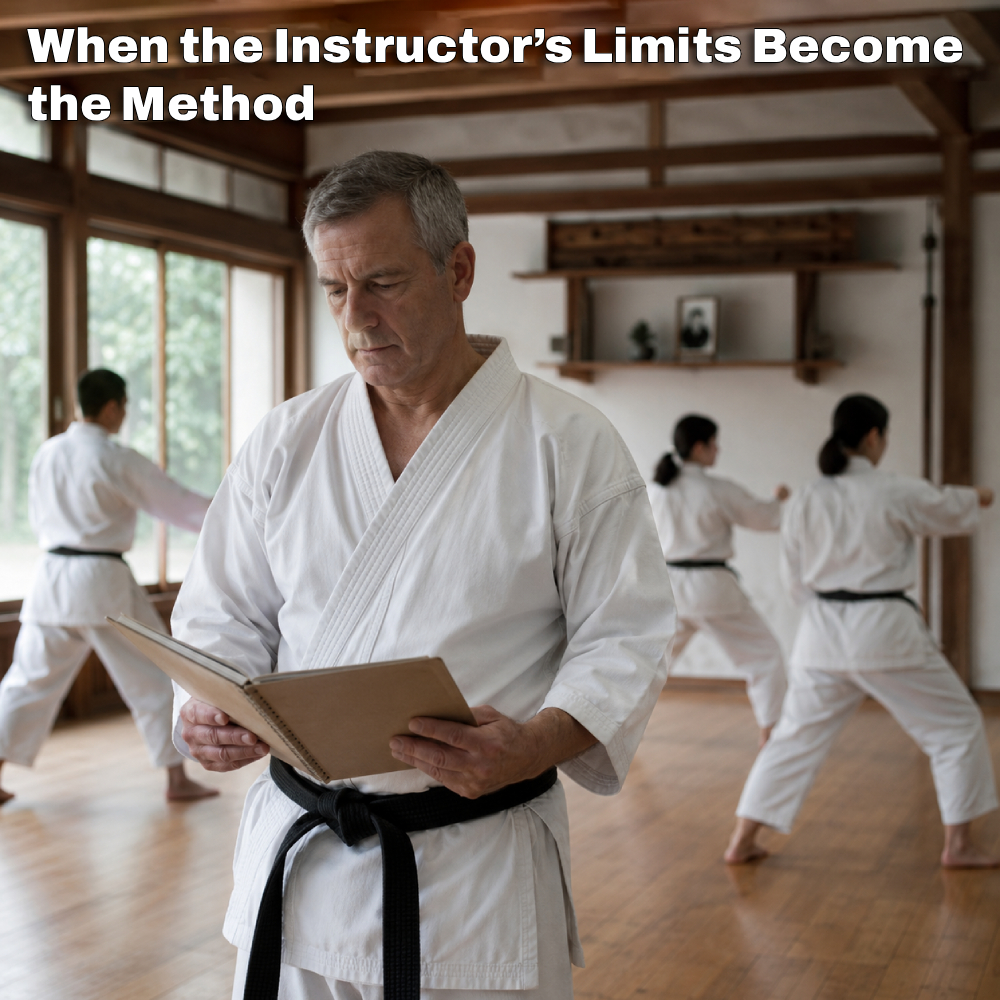
When self-defense is shaped by the instructor’s limits, the student may inherit the boundary of someone else’s knowledge. Every instructor
When self-defense is shaped by the instructor’s limits, the student may inherit the boundary of someone else’s knowledge. Every instructor
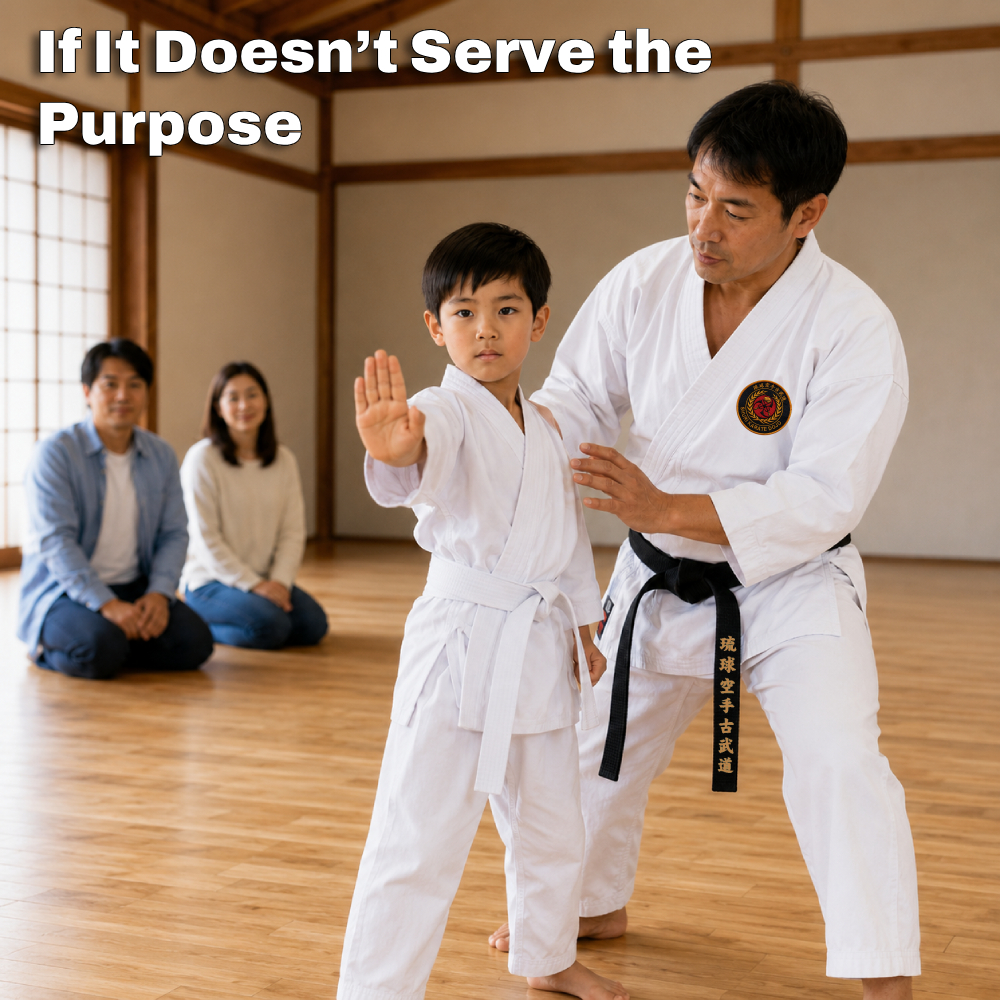
When karate is taught as self-protection, every part of the training should serve that purpose. Kata, kihon, and two-person drills

A broken arm may be better than a fractured skull, but that does not make it a sound method to

Progress is not owed because you started. It is earned by what you keep doing. We have become used to

When structure is mistaken for application. I have seen this kind of demonstration many times in karate. A student extends

Why Naihanchi remains one of karate’s most important studies for close-range practical application. I’m sure many of you have a

When the Label Says Self-Defense Social media algorithms are a strange phenomenon. Lately, mine seem to be filled with video

What the phrase “empty hand” can make us forget about real violence, and the assumptions we bring into the dojo.
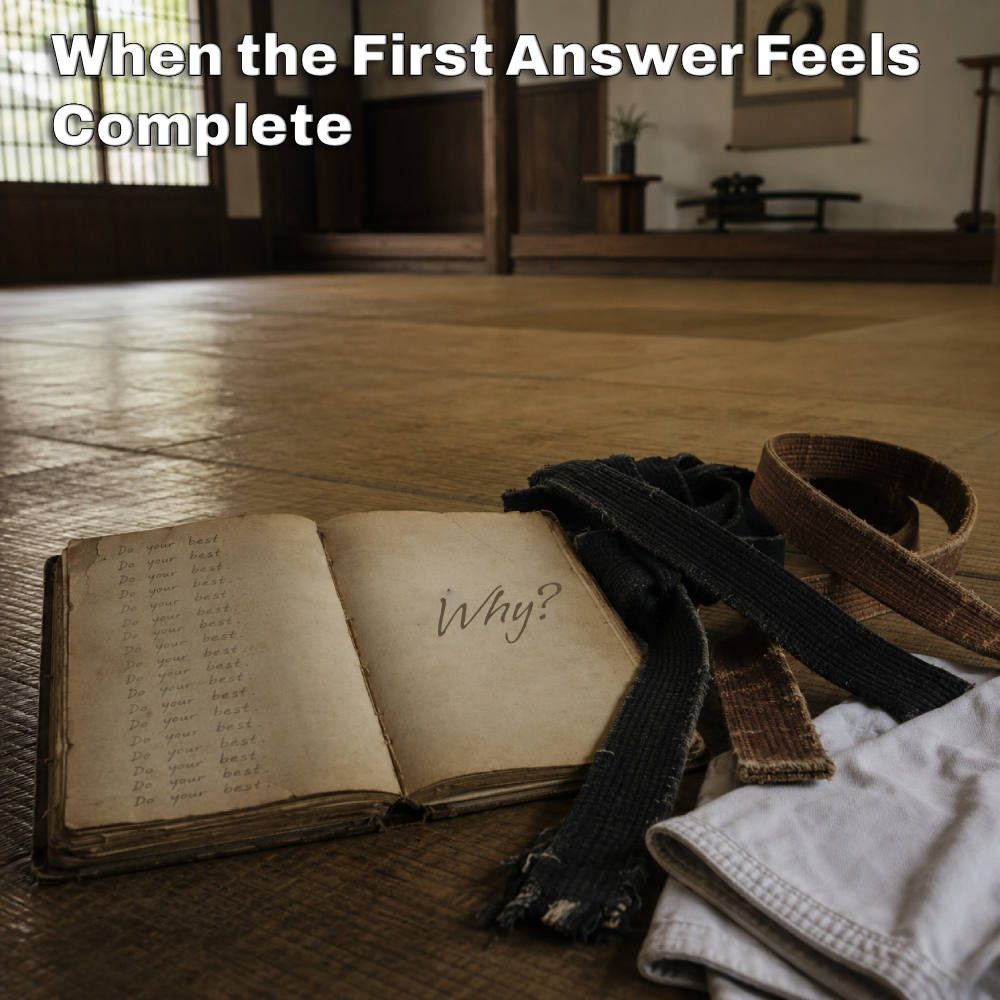
When repetition, rank, and tradition make an explanation feel complete before it has ever been tested. In karate, some explanations
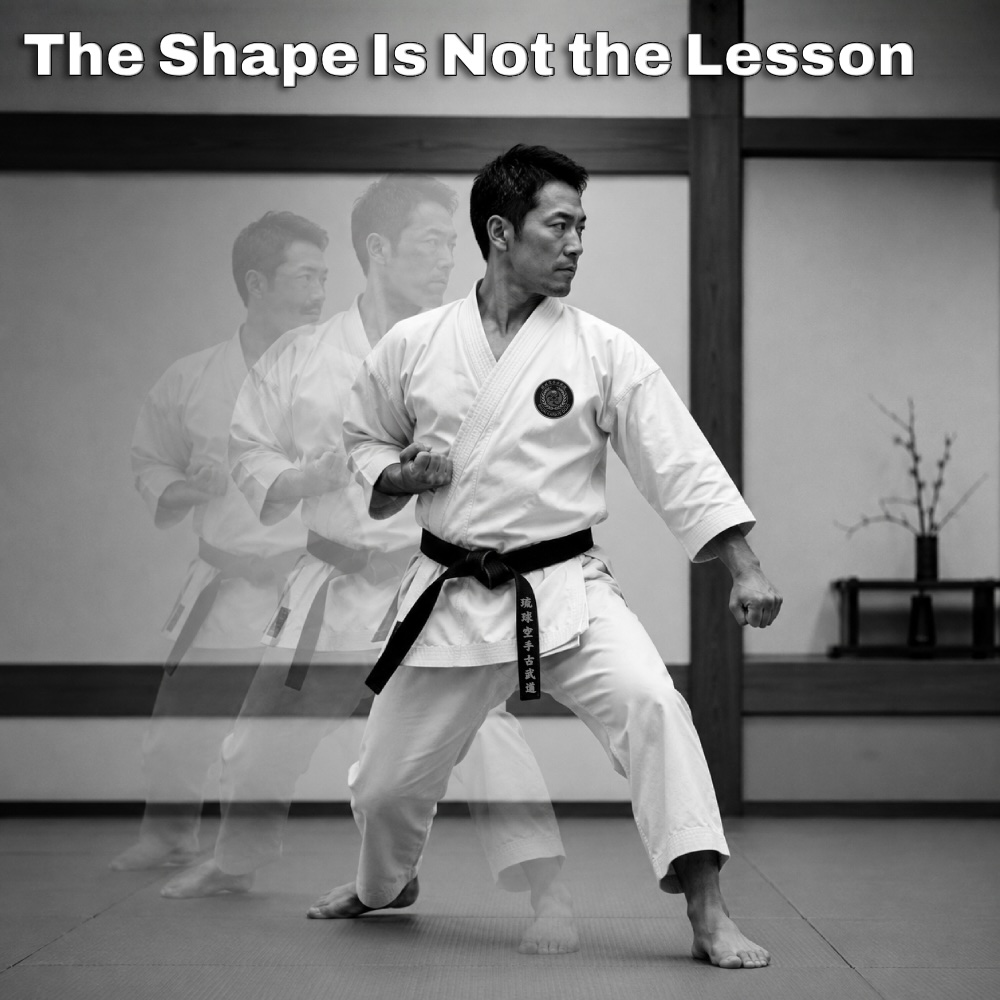
A stance should serve the body and the movement, not an arbitrary measurement. Everyone starts the same way in karate.